 Enterprise sales — inquire
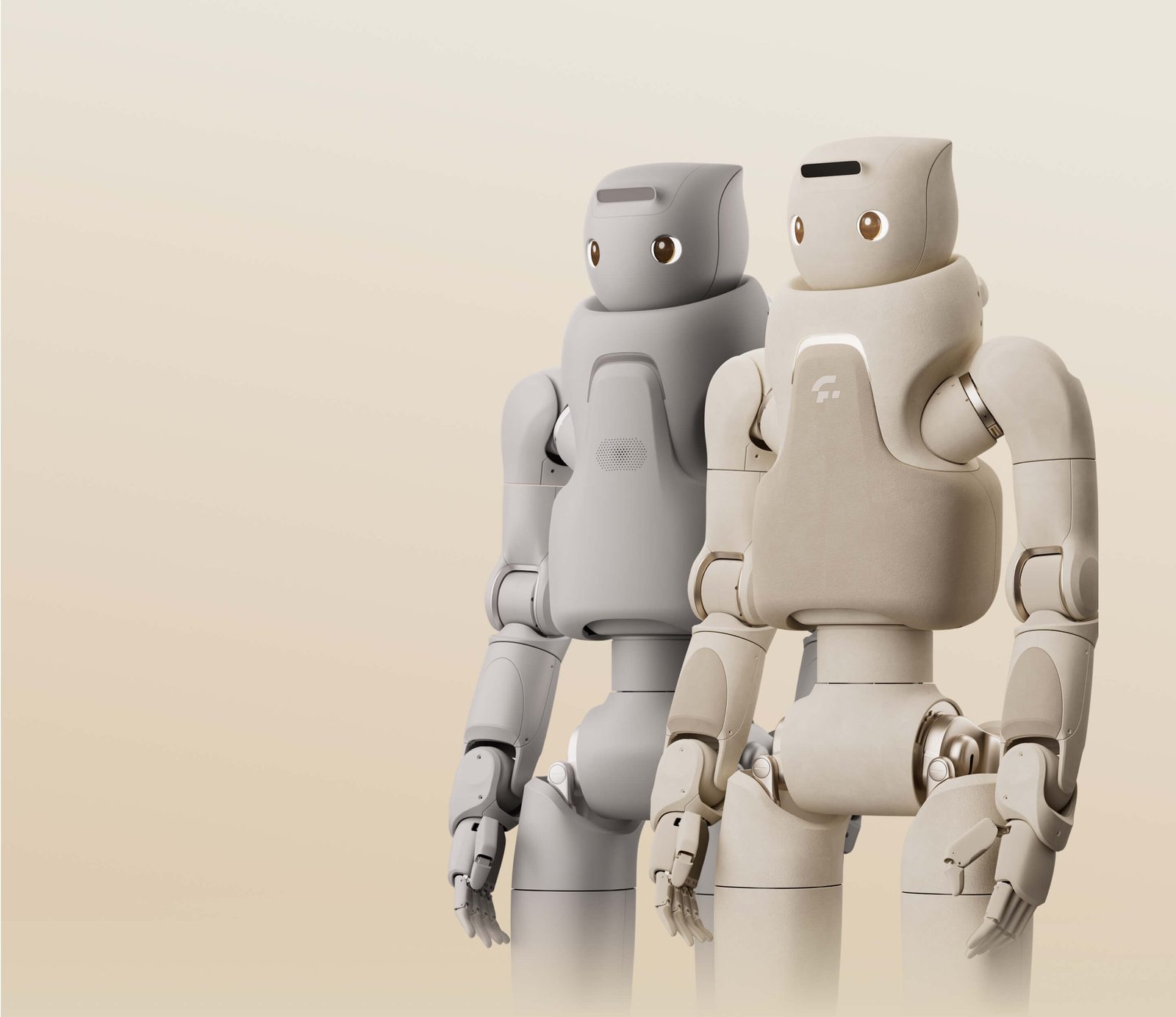
Fourier
GR-3
Full-size humanoid with a clinical research focus.
EU stock: inquire
- Height (cm)
- 165 cm
- Weight (kg)
- 71 kg
- Degrees of freedom
- 55
- Payload (kg)
- 3 kg
Healthcare
Research
USE CASE
Healthcare humanoids split into rehabilitation and assistive research on one side, and hospital logistics on the other. In both, safety documentation and compliant physical interaction outweigh speed or strength — procurement will hinge on CE status, risk assessments and clinical references.
For healthcare, safety documentation and CE status matters: hospital procurement cannot start without a complete technical file and risk assessment. For healthcare, compliant interaction and force limits matters: the robot works near patients — published force/torque limits and emergency-stop behaviour matter. For healthcare, clinical references matters: rehab and care pilots are the strongest evidence a platform survives real clinical routines.
Platforms with healthcare references typically sit in the €40–100k band or are priced by quote; almost none sell off a list price.
Every model below is listed with its EU availability status — confirm distributor stock and lead time before committing to a date.
33 robots in this category
Enterprise sales — inquireFourier
Full-size humanoid with a clinical research focus.
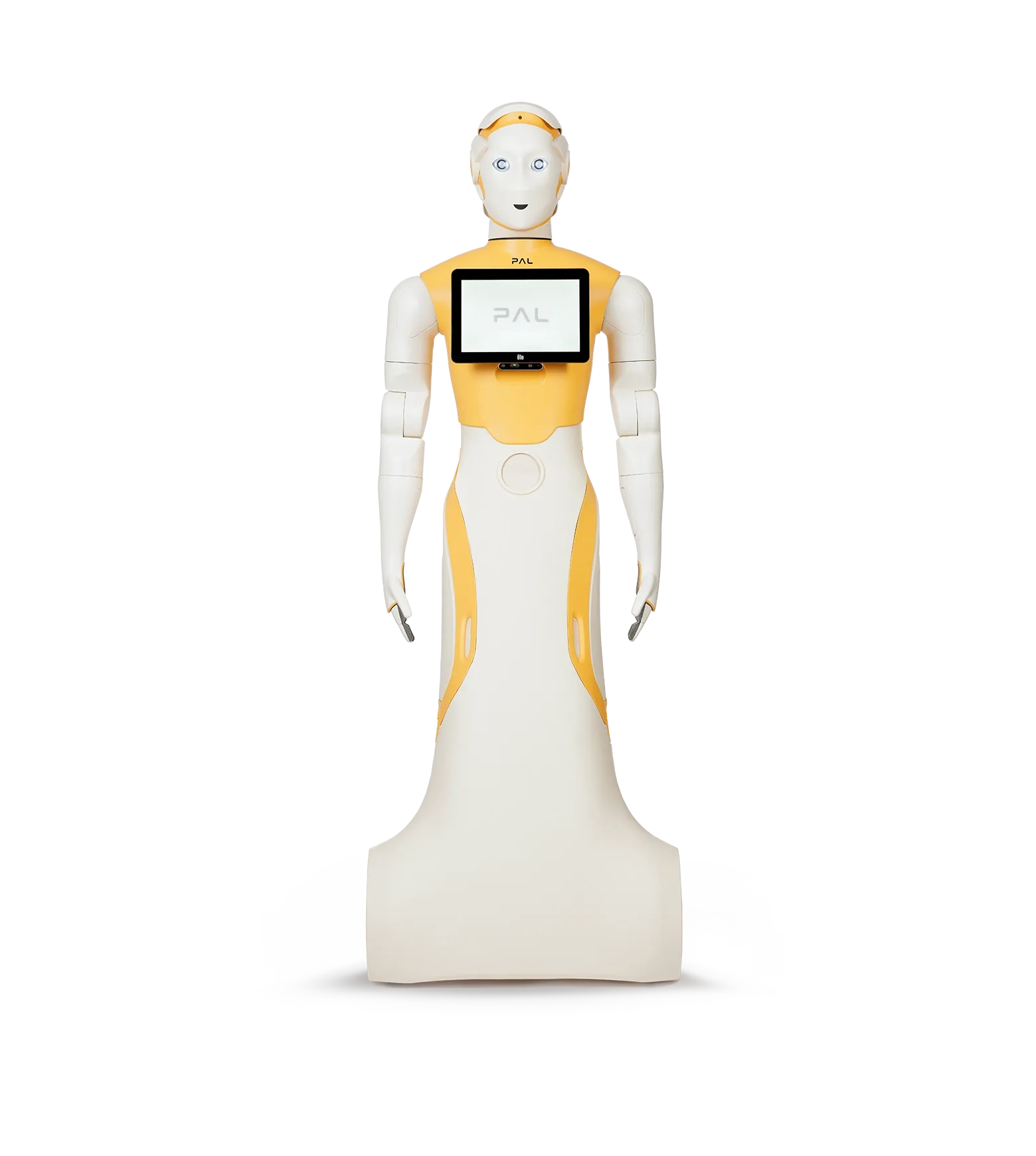 Available (EU manufacturer)Wheeled base
PAL Robotics
European-made social humanoid for healthcare and reception.
 Enterprise sales — inquire
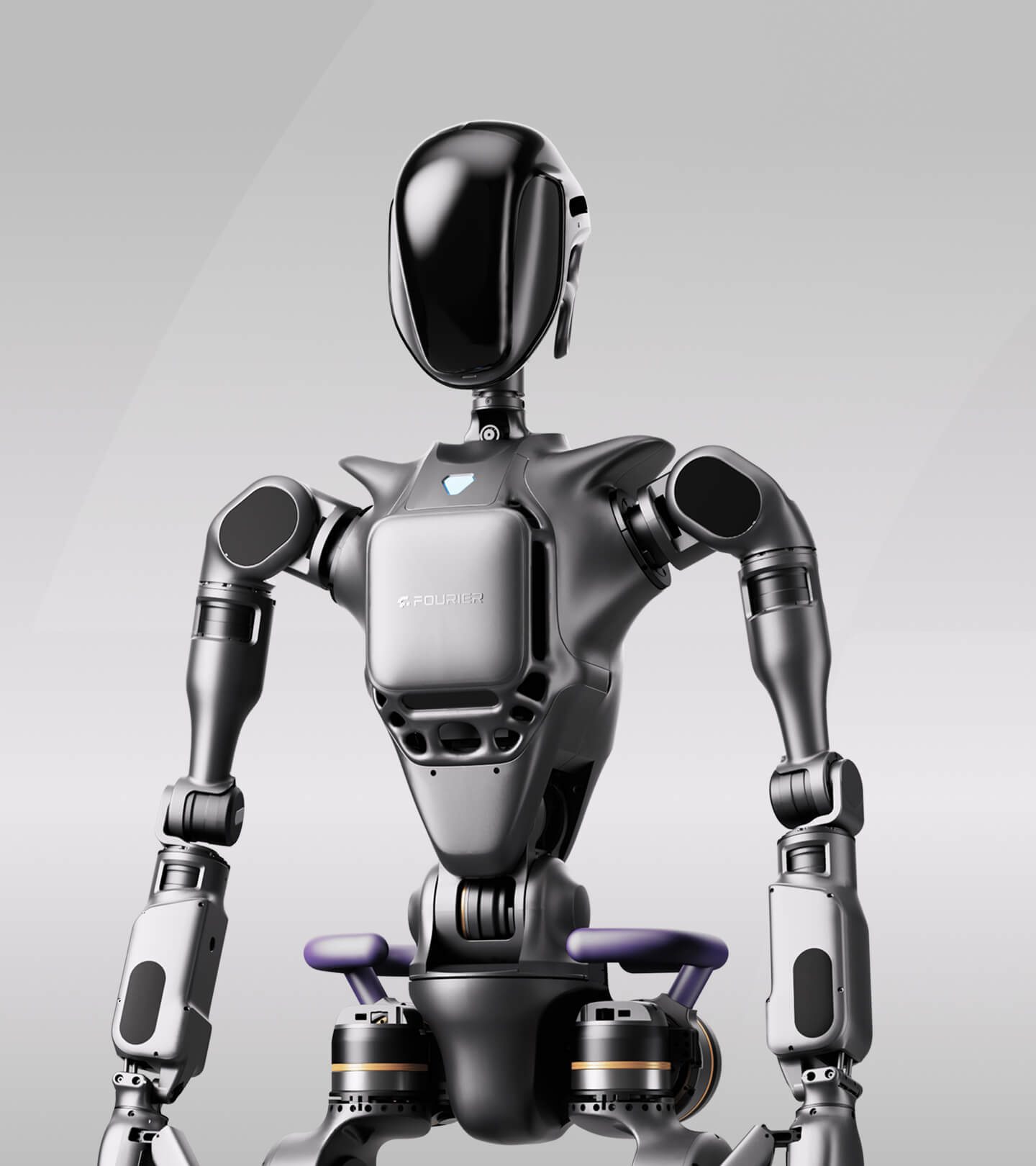
Fourier
First-gen full-size humanoid with a rehab-clinic distribution channel.
 Enterprise sales — inquire
Noetix Robotics (Songyan Dynamics)
The Noetix Hobbs W1 (NTX-W1) is a 170 cm, 75 kg wheeled bionic service robot combining a 32-DoF platinum-silicone bionic head with dual 5-Do
 Enterprise sales — inquire
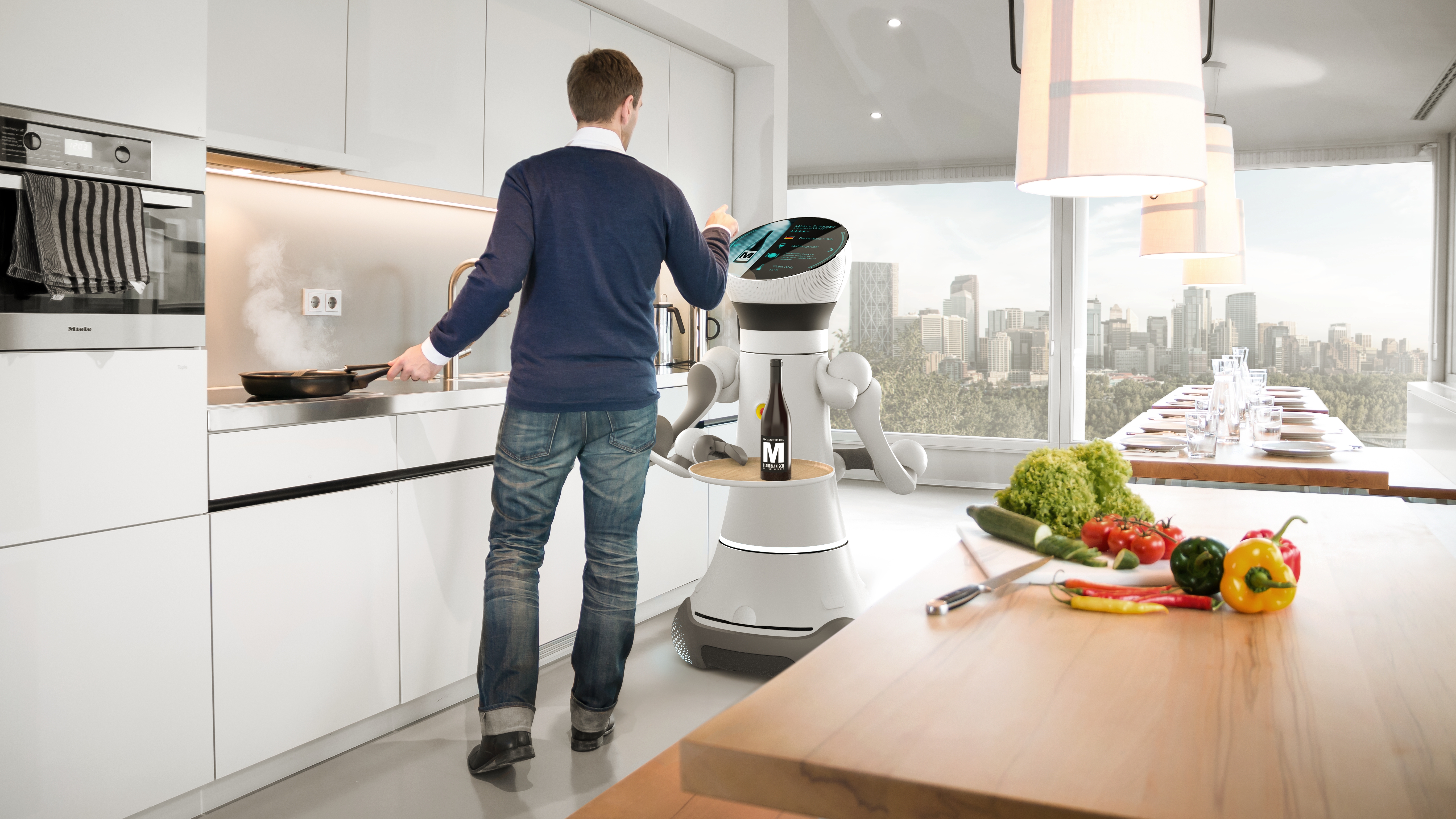
Mojin Robotics (Fraunhofer IPA)
Modular German service humanoid from Fraunhofer IPA/Mojin Robotics: 158 cm, 140 kg, 29 DoF, 5 kg arm payload; for retail guides, museums, de
 Directory listing — specs unverified
 Directory listing — specs unverified
 Directory listing — specs unverified
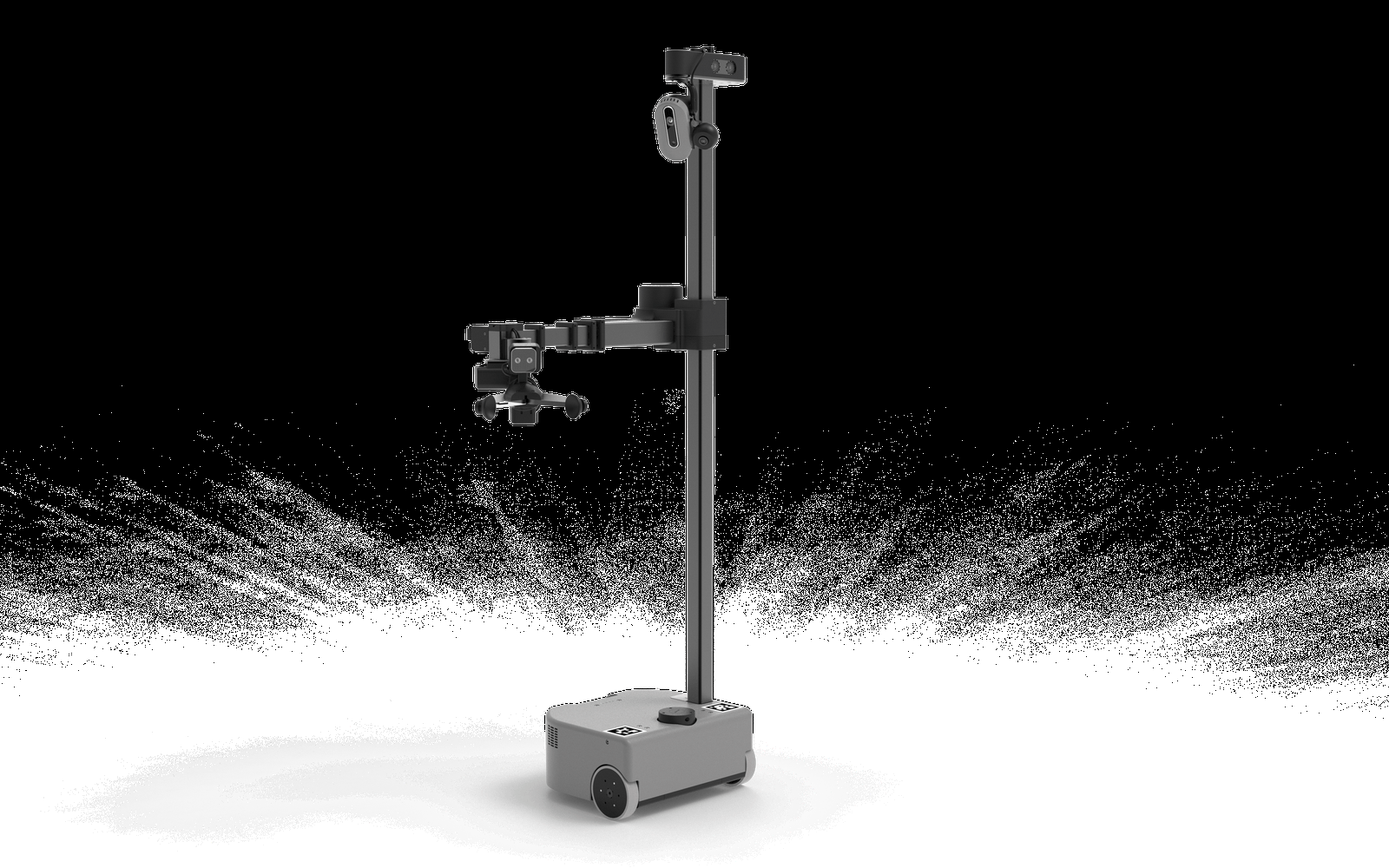 Directory listing — specs unverified
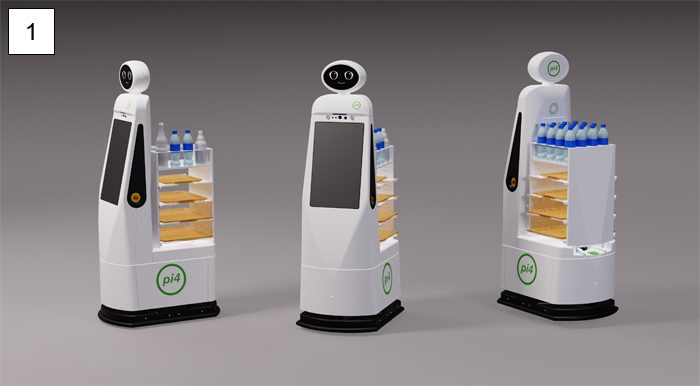 Directory listing — specs unverified
pi4_robotics (Fraunhofer)
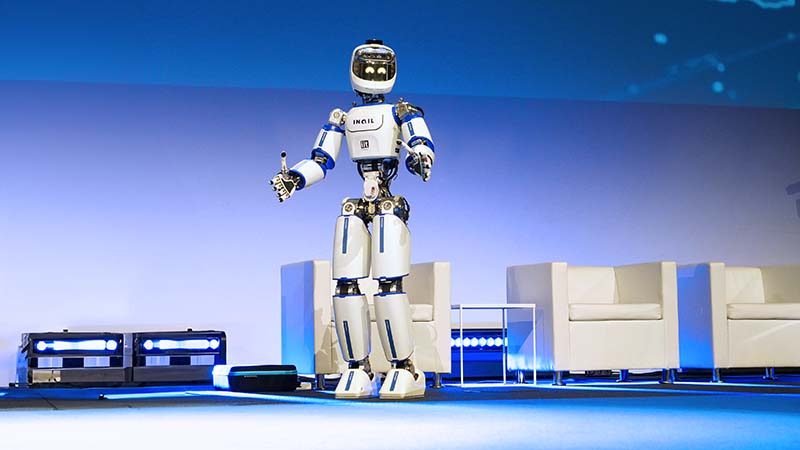 Directory listing — specs unverified
IIT (Istituto Italiano di Tecnologia)
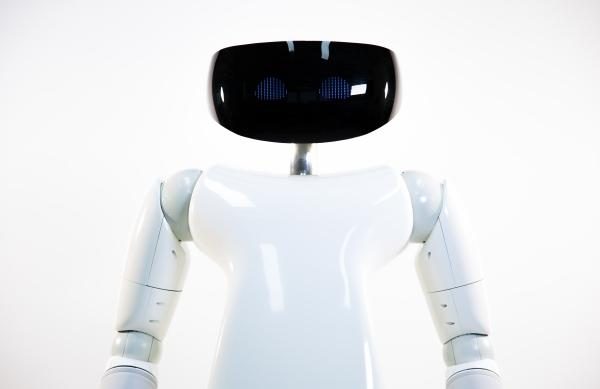 Directory listing — specs unverified
IIT (Istituto Italiano di Tecnologia)
 Directory listing — specs unverified
 Directory listing — specs unverified
 Directory listing — specs unverified
 Directory listing — specs unverified
 Directory listing — specs unverified
 Directory listing — specs unverified
 Directory listing — specs unverified
 Directory listing — specs unverified
 Directory listing — specs unverified
 Directory listing — specs unverified
 Directory listing — specs unverified
 Directory listing — specs unverified
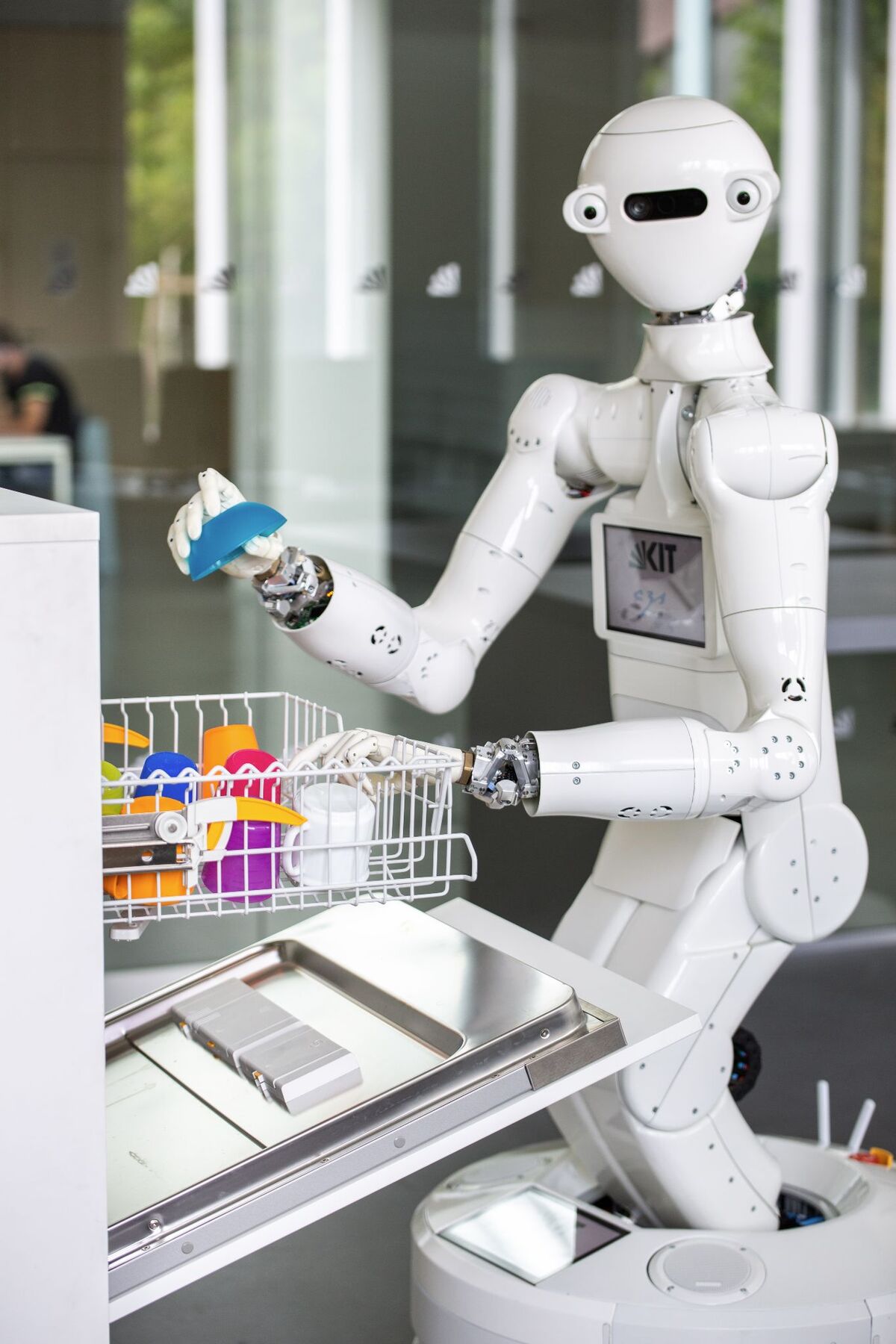
Karlsruhe Institute of Technology (KIT)
 Directory listing — specs unverified
 Directory listing — specs unverified
 Directory listing — specs unverified
 Directory listing — specs unverified
 Directory listing — specs unverified
 Directory listing — specs unverified
 Directory listing — specs unverified
 Directory listing — specs unverified
%20Grace%3C%2Ftext%3E%0A%20%20%20%20%3C%2Fsvg%3E) Directory listing — specs unverified
Directory listing — specs unverifiedPlatforms such as Fourier's GR series built their early channel in rehabilitation clinics, and mobile manipulators like Diligent's Moxi run hospital delivery routes. Verify current references directly — this category moves fast.
Yes. Any robot placed on the EU market needs CE conformity, and clinical environments raise the bar further. Our catalogue tracks CE and documentation status per model — treat 'in progress' as a schedule risk.
Only with force-limited, well-documented behaviour and a site-specific risk assessment. Ask vendors for their safety architecture and emergency-stop chain in writing before any trial near patients.
A short, procurement-focused weekly digest of humanoid news that matters in Europe. No hype, sources always cited.